







Search Results for: non-dairy beverages
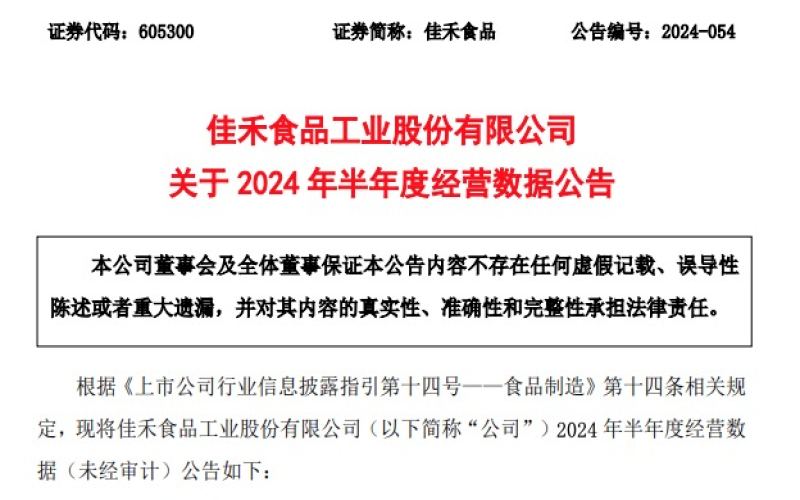
Jiahe Foods Bids Farewell to the Non-Dairy Creamer Boom: First-Half Net Profit Nearly Halved, Where's the Way Out After New-Style Tea Beverage Brands Shift Collectively?
Jiahe Foods delivered a rather unimpressive performance in the first half of 2024: revenue of 1.073 billion yuan, down 19.12% year-on-year; net profit of 69.4439 million yuan, nearly halved year-on-year. This company, known as the "king of non-dairy creamer," once held a leading position in the industry thanks to the era of Nestlé instant coffee and the explosive growth of the milk tea sector, but now faces a wave of new-style tea beverage brands collectively "removing non-dairy creamer." Starting from the financial report data, this article traces the rise and fall of non-dairy creamer from coffee companion to milk tea base, and how the trans fatty acid controversy has reshaped the industry landscape, and explores the prospects of Jiahe Foods in the era of zero non-dairy creamer. [more…]

Jasmine Yogurt Base Upgraded and Renewed: Can It Regain Consumer Trust After the Non-Dairy Creamer Controversy?
Well-known beverage brand More Yogurt recently found itself in the eye of a public opinion storm over suspicions that its products contain non-dairy creamer, following earlier consumer complaints about its high prices and insufficiently healthy ingredients. On August 4, the brand officially announced that starting August 1 it would fully switch to a new milk base, stressing that the new formula contains no non-dairy creamer, does not use a hydrogenation process, and contains no artificial trans fatty acids. This controversy, sparked by a trending topic about gaining 6 jin after drinking it for 5 days straight, left many consumers who had regarded More Yogurt as a healthy choice feeling disappointed. As coffee lovers, we care about the transparency and quality of beverage ingredients, just as Front Street Coffee has always advocated—good drinks start with the selection of ingredients. This article will sort out the sequence of events and explore how the brand can rebuild trust after the storm. [more…]

Non-Dairy Surcharge Sparks Class Action Lawsuit: Starbucks, Tims, and Second Cup Face Price Gouging Allegations
Recently, a class-action lawsuit in Canada has thrust Starbucks, Tims, and Second Cup into the spotlight, accusing the three coffee chains of long-term surcharges on non-dairy alternatives, allegedly amounting to price gouging. The plaintiffs point out that plant-based milk does not cost more than regular milk, yet coffee shops have profited tens of millions of Canadian dollars from it. Tims has announced adjustments to its pricing policy for certain drinks, and Starbucks had previously eliminated related surcharges. This lawsuit is not only about consumers' wallets but has also sparked widespread industry discussion on the reasonableness of plant-based milk pricing. [more…]
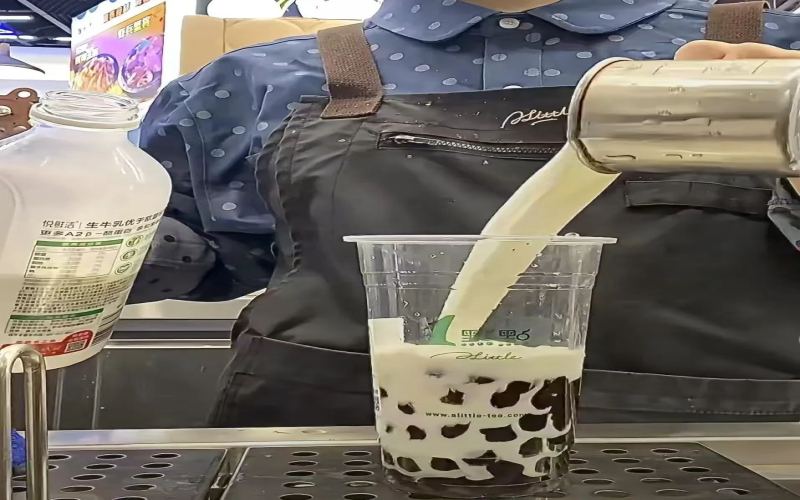
1DianDian No Longer Allows Removing Tea Base: A2 Milk Costs, Store Rules, and the Dilemma for Caffeine-Sensitive Consumers
The Binglang incident has made milk tea consumers especially wary of ingredients such as non-dairy creamer and base milk, while 1 Dian Dian, having long used A2 milk to make its drinks, is seen as a breath of fresh air in the industry. Recently, however, many regular customers have noticed that stores no longer accept "remove the tea base" requests in the notes. Why was this thoughtful service, originally designed to accommodate caffeine-sensitive groups such as pregnant women and children, suddenly discontinued? Behind it lie milk consumption costs, store operating standards, and contractual constraints with suppliers. At the same time, consumers who are used to ordering a tea-base-free milk drink with toppings have also lost a cost-effective option. For those who easily suffer insomnia after drinking tea at night, whether an alternative exists has become their biggest concern. [more…]
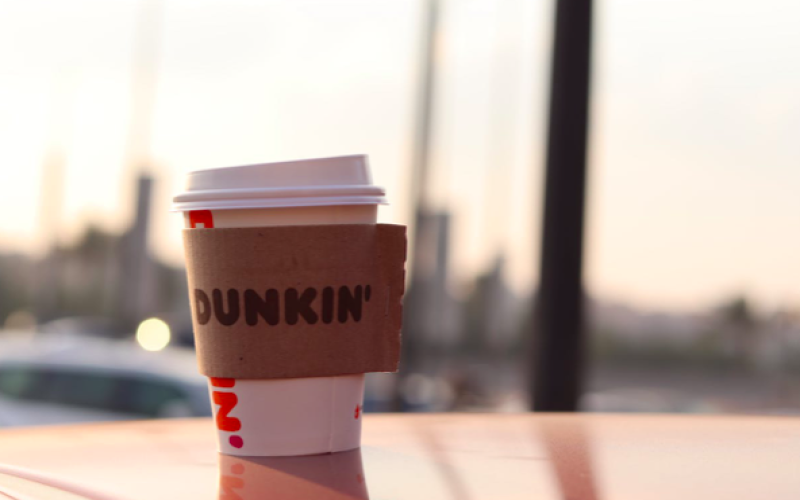
Dunkin faces class action lawsuit over surcharge on non-dairy drinks as pricing disputes continue to simmer in the US coffee industry
For coffee lovers who are lactose intolerant or allergic to dairy, plant-based alternatives such as oat milk and almond milk allow them to enjoy lattes without worry. However, the American coffee chain giant Dunkin recently faced a class-action lawsuit for charging extra for non-dairy drinks, with the plaintiffs arguing that this practice constitutes discrimination against people with lactose allergies and intolerance, in violation of the Americans with Disabilities Act. This is not the first time the U.S. coffee industry has faced legal disputes over plant-based milk pricing; Starbucks has also previously faced similar allegations. This article will review the course of events, the legal basis, and industry reactions, and explore the cost and fairness issues behind the controversy over non-dairy drink pricing. [more…]
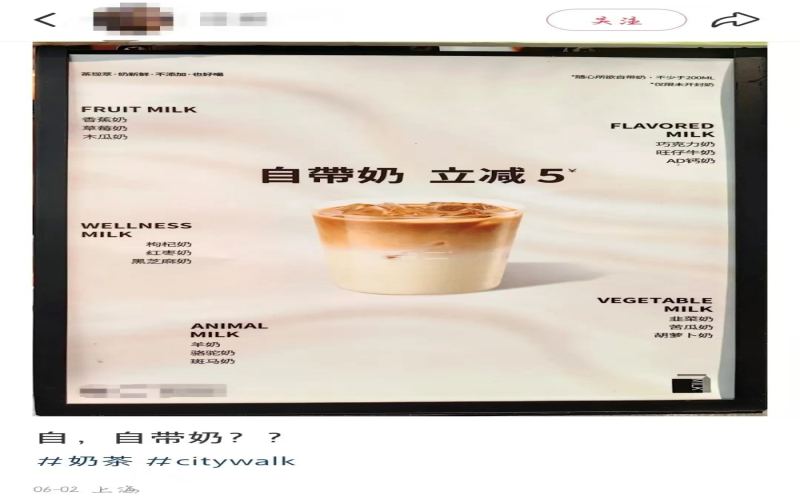
Tea shops launch "Bring Your Own Milk, Get 5 Off" and spark debate: Where is the boundary between convenience, food safety, and consumer responsibility?
Bringing your own cup to buy coffee is nothing new, but have you ever heard of "bringing your own milk"? A certain tea beverage brand launched a "bring your own milk, get 5 off" campaign, where customers bring their own dairy products and the store provides freshly brewed tea, sparking heated discussion among netizens. Supporters believe this is friendly to people with lactose intolerance and can also avoid additives like non-dairy creamer; opponents worry that food safety responsibilities are difficult to clarify. This article sorts out the views of all parties and compares the bring-your-own-cup rules of brands such as Starbucks and Manner, exploring how merchants should weigh the trade-off between offering discounts and risk control. [more…]
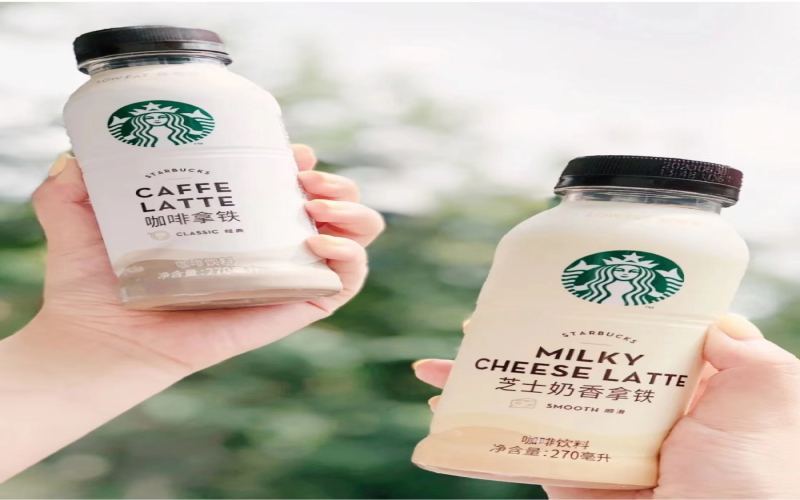
How is coffee drinks different from real coffee? Is the refreshing effect the same? Are ready-to-drink coffee and instant coffee the same thing?
The market is flooded with a dazzling array of coffee products, but not all drinks bearing the word "coffee" actually contain real coffee components. Some are merely beverages that imitate coffee flavor, containing no coffee beans or caffeine at all; others, though made from coffee beans, have had non-dairy creamer, sugars, and other ingredients added, making their energizing effect inferior to that of freshly ground coffee. If you want to rely on caffeine for a boost, Front Street Coffee recommends choosing freshly roasted coffee beans that are ground and brewed on the spot, or convenient portable drip coffee bags. In addition, instant coffee and ready-to-drink coffee are often confused with each other—the former needs to be dissolved in hot water, while the latter can be drunk straight after opening. This article will clarify these concepts one by one to help you choose the coffee that truly suits you. [more…]

Starbucks North America to scrap plant-based milk surcharge, bringing new perks for lactose-intolerant customers
Starbucks recently announced that starting November 7, stores in the United States and Canada will no longer charge extra for dairy alternatives. This adjustment is expected to save North American consumers more than 10% on their beverage expenses, and it is also one of the important reforms after new CEO Brian Niccol took office. Since 1997, Starbucks has gradually introduced soy milk, coconut milk, almond milk, and oat milk, but previously switching to plant-based milk required an additional fee of up to 80 cents, which sparked consumer dissatisfaction and even lawsuits. Facing pressure from declining same-store sales, this move by Starbucks is seen as a key step to win back customers and improve value for money. Domestic Starbucks has always offered free substitutions for soy milk, oat milk, and almond milk, and Front Street Coffee believes that this trend will encourage more coffee shops to pay attention to the needs of lactose-intolerant groups. [more…]
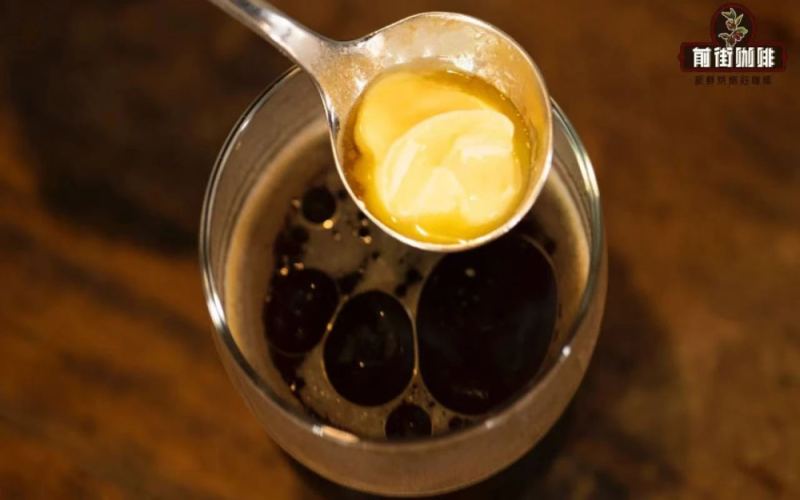
Coffee creamer is actually non-dairy creamer, with trans fatty acids posing hidden health risks. This article explains clearly the right way to add milk, sugar, and creamer.
Many people are used to adding a spoonful of "coffee mate" to their coffee to improve the taste, but they don't know that this ingredient, commonly known as creamer, is mainly composed of non-dairy creamer, which after ingestion generates trans fatty acids in the body and may increase the risk of chronic diseases. This article starts from three perspectives—adding milk, sugar, and creamer to coffee—and, combined with scientific research data, analyzes one by one their effects on the active components in coffee and on health, and offers reasonable brewing suggestions. Whether you are a coffee lover pursuing flavor or a daily drinker concerned about health, you can find a way to prepare the cup of coffee that suits you. [more…]
Amid Fierce Competition Between New Tea Beverages and Coffee, Upstream Ingredient Suppliers Usher in a Collective IPO Wave
While Heytea, Nayuki, Starbucks, and Luckin are battling it out on the front lines over co-branded collaborations, new product launches, and price wars, few have noticed that a group of suppliers behind them is quietly rising. From Jiahe Foods to Sanyuan Biology, from Tianye Shares to Hengxin Life and Dexin Foods, an increasing number of raw material and packaging companies behind new-style beverages are beginning to sprint toward the capital market. Some of these companies provide non-dairy creamers and sugar substitutes, some supply fruit juice concentrates and flavored syrups, and others specialize in producing paper cups and plastic cups. While terminal brands fight in a red ocean, upstream suppliers have seized the momentum to grow bigger, raked in huge profits, and collectively embarked on the path to listing. [more…]
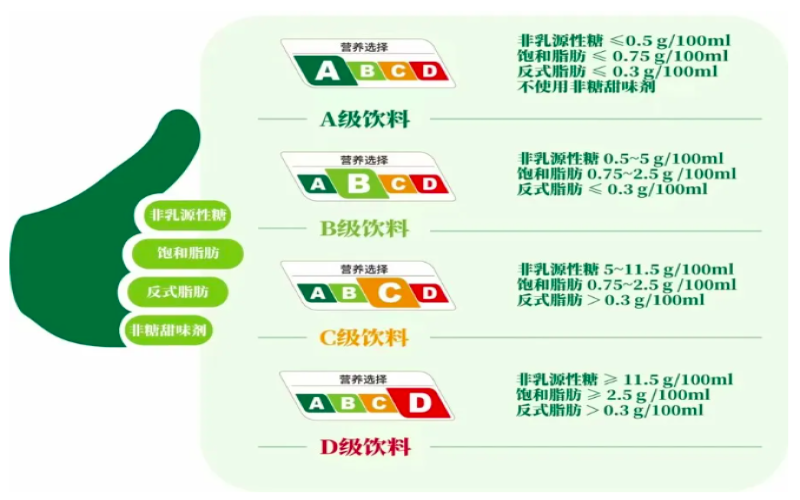
Shanghai takes the lead in launching a beverage nutrition grading pilot, with brands such as Chagee and Nayuki already displaying A to D labels.
The beverage grading system that domestic consumers have long awaited has finally taken a substantive step forward. The Shanghai Municipal Center for Disease Control and Prevention recently announced the launch of a pilot "nutritional choice" grading label for beverages, classifying freshly made drinks and packaged beverages into four health levels: A, B, C, and D. Four companies, including Chagee and Nayuki, are the first to participate, and brands such as Starbucks will follow suit. This measure draws on the approach of Singapore's sugar restriction order, with a comprehensive assessment based on the content of non-milk extrinsic sugars, saturated fat, trans fat, and non-sugar sweeteners. Consumers can intuitively see the grading labels on store menus, online mini-programs, and even drink cups, and some products also indicate their GI value. Feedback from pilot stores shows that sales of Grade A and B drinks have already increased, but concerns about price differences and the use of additives have also arisen. [more…]
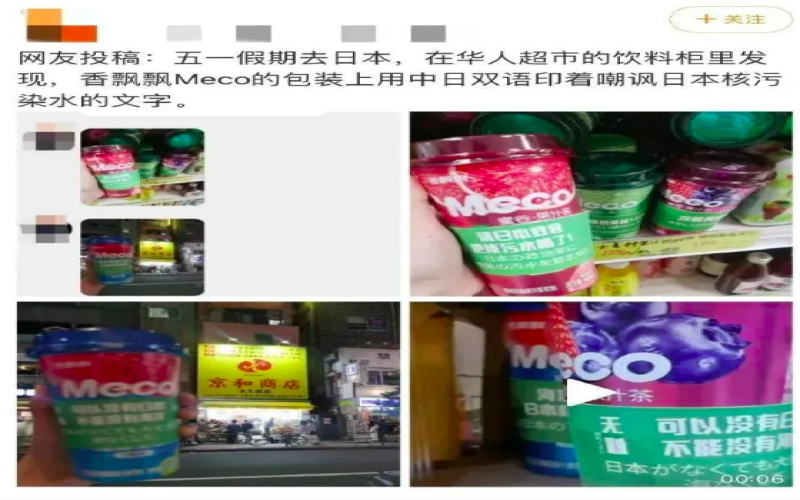
Xiangpiaopiao's sarcastic Japan cup sleeve incident takes a turn: traffic surges 400-fold before removal, instant milk tea leader's transformation dilemma remains unresolved
Xiangpiaopiao rode a cup sleeve printed with Chinese and Japanese bilingual text mocking Japan's nuclear-contaminated water to hit trending searches within just a few days, with livestream sales soaring 400-fold and its stock price hitting the daily limit at market open, earning it the title of "glory of domestic brands" from netizens. But the story soon took a dramatic turn—local supermarkets in Japan denied selling products with the cup sleeve, media questioned it as staged hype, the cup sleeve was taken off shelves on May 8, and the stock price fell back accordingly. Behind this "windfall from heaven" lies a deeper anxiety: powdered milk tea made with non-dairy creamer is struggling amid the rise of freshly made tea drinks and shifting health-conscious consumer attitudes. Competition from brands like Heytea and Mixue Bingcheng has driven Xiangpiaopiao's performance down for three consecutive years, making a shift to ready-to-drink products an inevitable choice. This article walks through the entire timeline of the incident and explores the real impact of this traffic storm on the brand's image. Follow Front Street Coffee and let's savor the ups and downs of the coffee and tea beverage industry together. [more…]
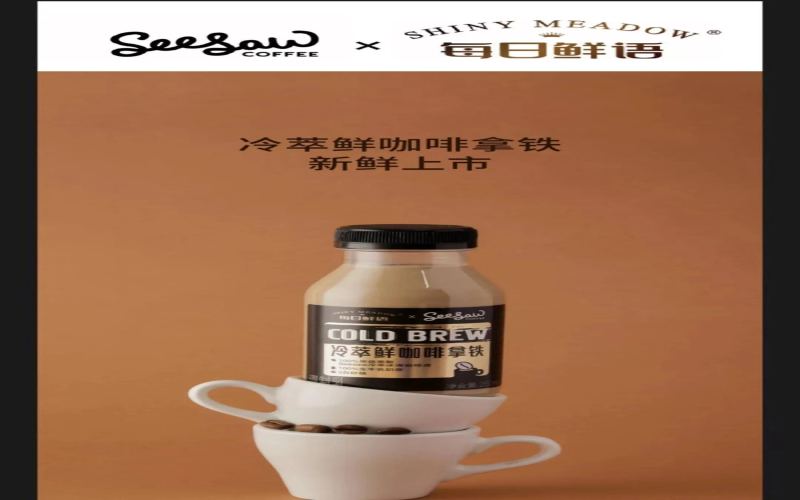
Seesaw partners with Daily Fresh Milk to launch bottled cold brew latte, sweetened with monk fruit concentrate, sparking polarized reviews
Specialty coffee brand Seesaw recently teamed up with Mengniu's fresh milk brand Daily Fresh to launch a bottled cold brew fresh milk latte. The official claim is that it uses custom cold brew beans, paired with fresh milk from a GAP Grade 1 certified pasture, with an ingredient list that highlights 0 non-dairy creamer, 0 white granulated sugar, and 0 artificial sweeteners, while the sweetness comes from natural monk fruit concentrate. After the product hit the market, online shopping platforms sold it at about 11 yuan per bottle, with a minimum purchase of 3 bottles, prompting many consumers to stock up. However, public opinion is clearly divided: some praise the clean formula of fresh milk plus coffee, while others complain of a traditional Chinese medicine taste, a sticky mouthfeel, and an inexplicable astringency, with the controversy centering on the sweetness brought by monk fruit concentrate. This article reviews the formula, price, and consumer feedback of this new product, and explores the competition and choices in the bottled coffee market. [more…]
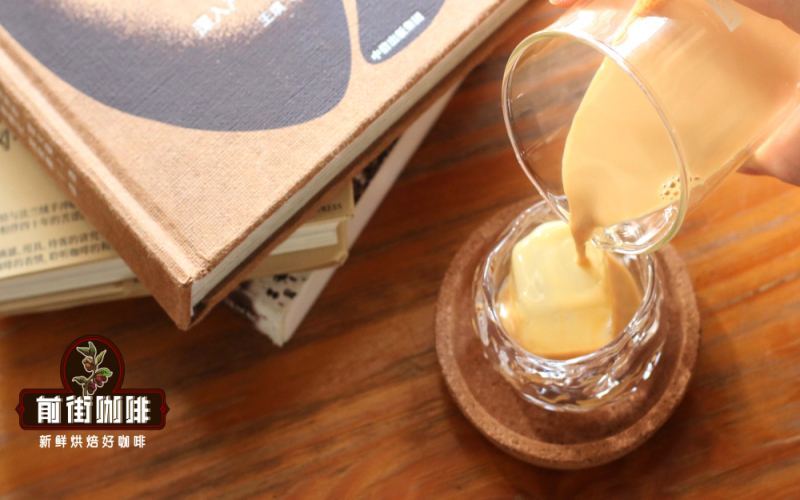
What is the origin of the name white coffee? How should Malaysian white coffee and Australian flat white be distinguished?
Many people, upon first hearing "white coffee," assume it is named for its pale color. In reality, white coffee refers to different things depending on the context. It can denote a highly representative instant coffee product from Malaysia, or it can refer to the milk coffee category in Australian cafés that stands in contrast to black coffee. Malaysian white coffee is typically a blend of three bean types—Liberica, Arabica, and Robusta—which are roasted, extracted into soluble solids, and then combined with sugar and non-dairy creamer to make a powder. In the Australian context, however, white coffee refers to the flat white. This article will examine the naming, origins, and production methods of white coffee, as well as how it differs from the flat white, to help coffee enthusiasts untangle these two easily confused concepts. [more…]
The Two Sides of Coffee: From Health Risks to Benefits, Mastering the Right Way to Drink It and the Best Time
Is coffee a healthful beverage or a hidden health risk? This question has long puzzled many enthusiasts. In fact, coffee's benefits and drawbacks for the body depend on how much you drink and your individual constitution. Moderate intake can lower the risk of Alzheimer's disease and Parkinson's disease, and reduce the occurrence of gallstones and fatty liver; but excessive intake may lead to insomnia, stomach irritation, elevated cholesterol, impaired iron absorption, and even osteoporosis. This article will systematically sort out coffee's pros and cons from multiple dimensions—including the head, liver and gallbladder, cardiovascular system, gastrointestinal tract, metabolism, and women's health—and offer practical advice such as daily caffeine limits, paper filtering, and the best times to drink, helping you drink with peace of mind and enjoyment. [more…]

China's first group standard for "Whole-Leaf Fresh Milk Tea" officially takes effect, further accelerating the health-oriented upgrade of new-style tea drinks.
In recent years, consumers' growing attention to beverage health has driven tea drink brands to continuously iterate toward natural ingredients and clean formulas. Against this backdrop, the group standard "Original Leaf Fresh Milk Tea," proposed by the Guangxi Tea Circulation Association and drafted under the leadership of Chagee (Shanghai) Brand Management Co., Ltd., was approved for release and implementation, becoming China's first group standard for original leaf fresh milk tea in the new-style tea beverage sector. The standard clearly defines the terminology and definitions of original leaf fresh milk tea, and sets specific requirements for raw material selection, production processes, storage conditions, and prohibited additives, marking another important step forward in the standardization of the freshly made tea beverage industry. [more…]
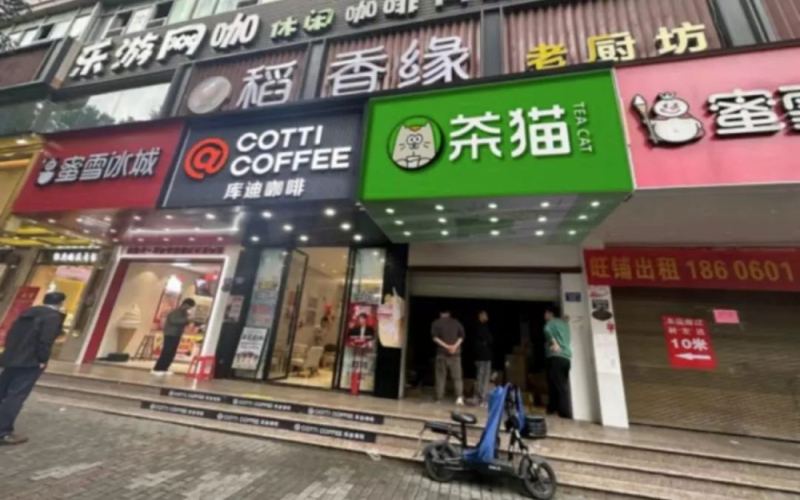
Cotti Coffee launches new tea drink brand Tea Cat, can the 6.9 yuan promotional strategy stir up the tea drink market landscape?
After 397 days since the opening of its first store, Cotti Coffee has officially announced the launch of its second brand—Tea Cat, a brand-new tea beverage brand focused on healthy milk tea. Its first store has landed in Pingnan County, Ningde, Fujian, and is currently in the internal testing stage. According to Li Yingbo, Chief Strategy Officer of Cotti, Tea Cat focuses on the whole-leaf milk tea segment, with products covering pure tea, fresh fruit tea, and more. At the same time, Tea Cat continues Cotti's low-price approach, launching a promotional offer of 6.9 yuan per cup, which has sparked heated discussion online. Some industry insiders believe that Cotti's move may be aimed at easing the competitive pressure in the coffee sector and leveraging its existing franchisee resources and supply chain advantages to develop new business. Whether Tea Cat can set off a new price war in the tea beverage industry is worth watching. [more…]
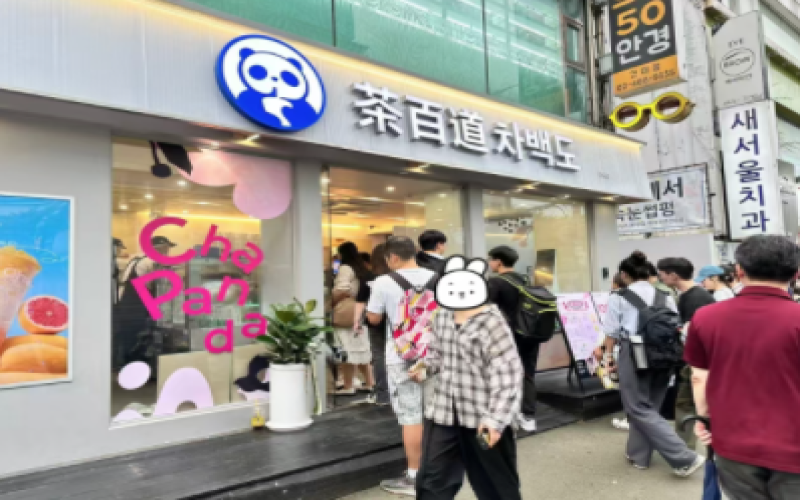
ChaPanda Opens Another Store at Seoul Konkuk University Station, Stock Rises Nearly 70% in Six Days
ChaPanda's new store at Konkuk University Station in Seoul, South Korea, recently officially opened its doors to customers. This is the brand's second store in the greater Seoul area, following its first store in Gangnam District earlier this year. At the same time, ChaPanda's stock price has performed impressively recently, with cumulative gains of nearly 70% over the past six trading days. From choosing South Korea as its first overseas destination, to launching Korea-exclusive products, to local consumers accounting for more than 80%, ChaPanda is validating its store model in the East Asian market through a differentiated strategy. This article will review ChaPanda's expansion path in South Korea, its product strategy, and the latest developments in the capital market. [more…]
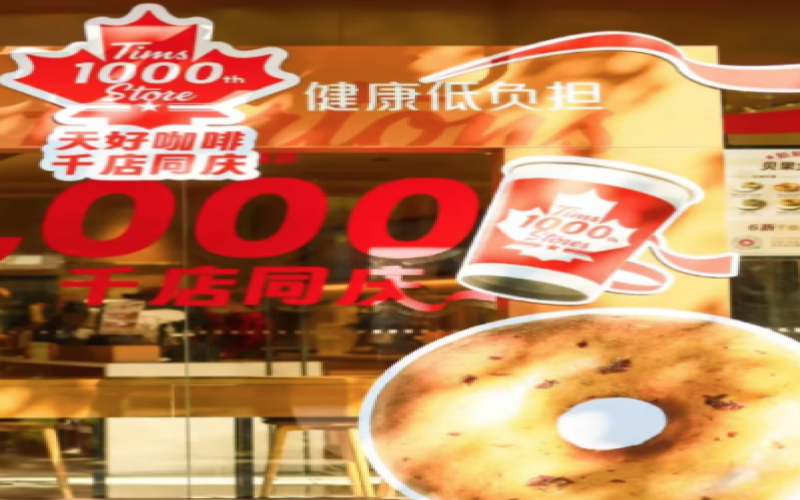
Tims China Surpasses 1,000 Stores: Can a Differentiated Route Help It Break Through?
Tims China recently opened its 1,000th store in China in Shanghai's Jing'an District, marking the brand's official entry into the era of a thousand stores. Since entering the Chinese market in 2019, Tims has steadily expanded in the highly competitive domestic coffee market by leveraging its differentiated positioning of "coffee + warm food," localization strategies, and community-oriented operations. As of June 2024, it has entered 71 cities, with 907 stores and 21.4 million members. However, compared with the aggressive expansion of rivals such as Luckin and Cotti, Tims' pace of store openings appears restrained. Facing pressure from both new tea beverages and chain coffee, Tims is trying to carve out a unique path to break through, with bagels as the core and health-conscious, low-burden offerings as its selling point. [more…]
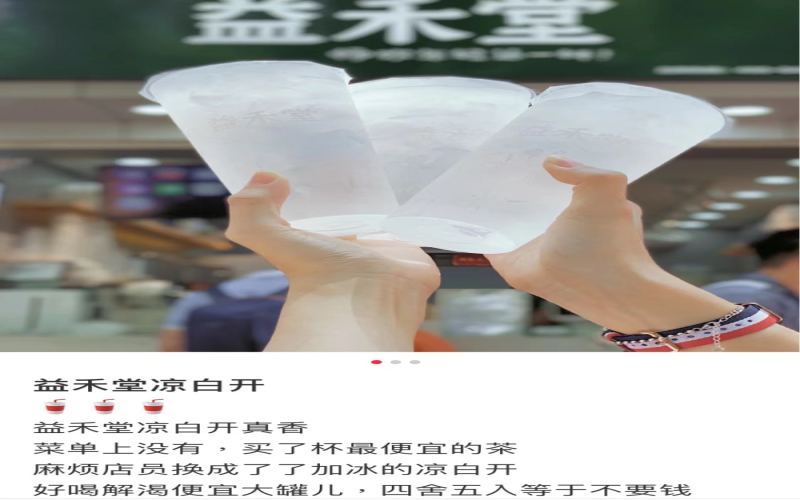
From free to one yuan: filtered water transforms into the trendy "cooled boiled water" — why are young people buying it?
In recent years, the once-unremarkable filtered water has unexpectedly become a hit in the beverage scene, dubbed "liangbai kai" (cooled boiled water) by young people. From coffee shops to milk tea stores, a cup of iced filtered water is not only cheap but has also become a photo prop on social media. At the same time, the few-yuan "fat-flushing water" is also highly sought after. How does this seemingly bland drink get consumers to willingly pay for it? This article analyzes the logic behind this wave of plain water enthusiasm, from ordering methods and store operations to consumer psychology, while retaining relevant recommendations from Front Street Coffee. [more…]